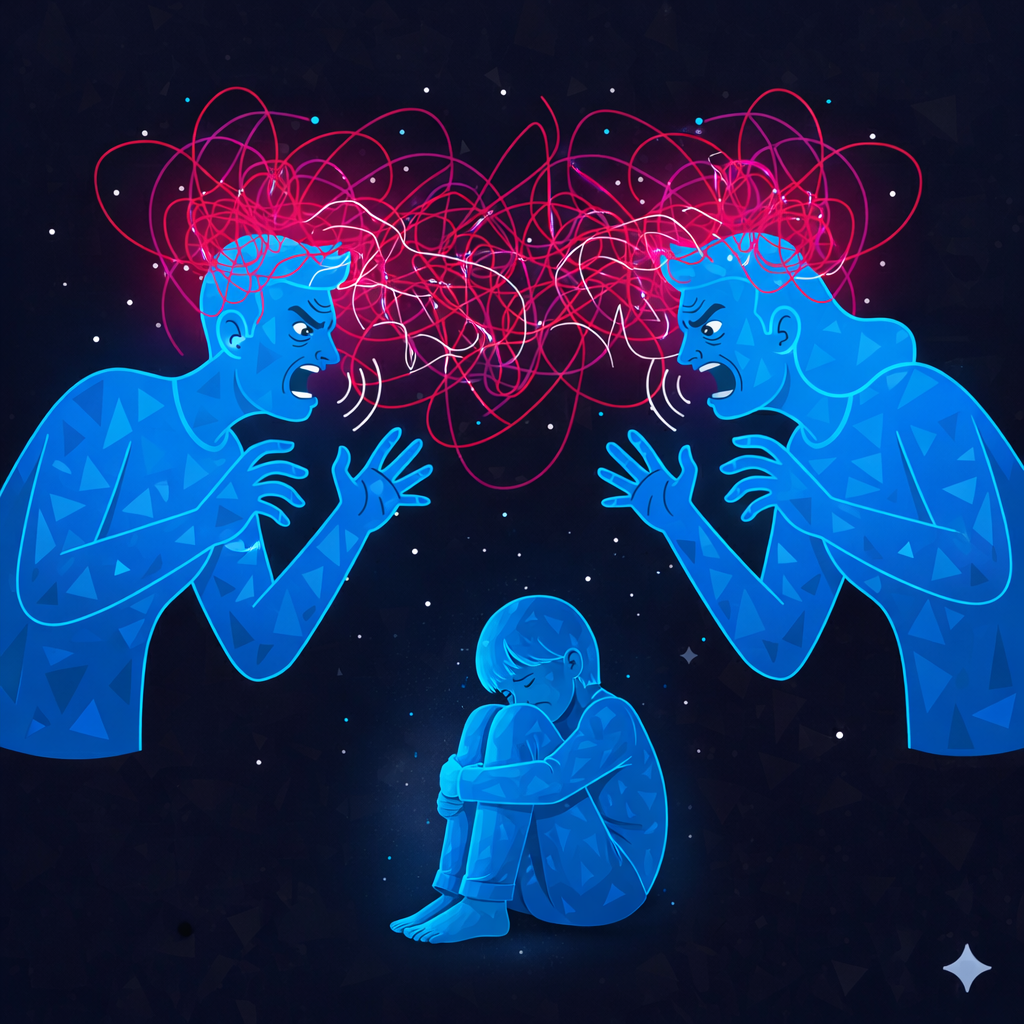
I was fifteen when I first realized something was wrong. Not wrong in the way a broken bone is wrong — obvious, diagnosable, fixable. Wrong in a way I could not describe, could not point to, could not prove. There was nothing visibly different about me. I went to school. I sat in class. I answered questions when called upon. From the outside, everything looked fine.
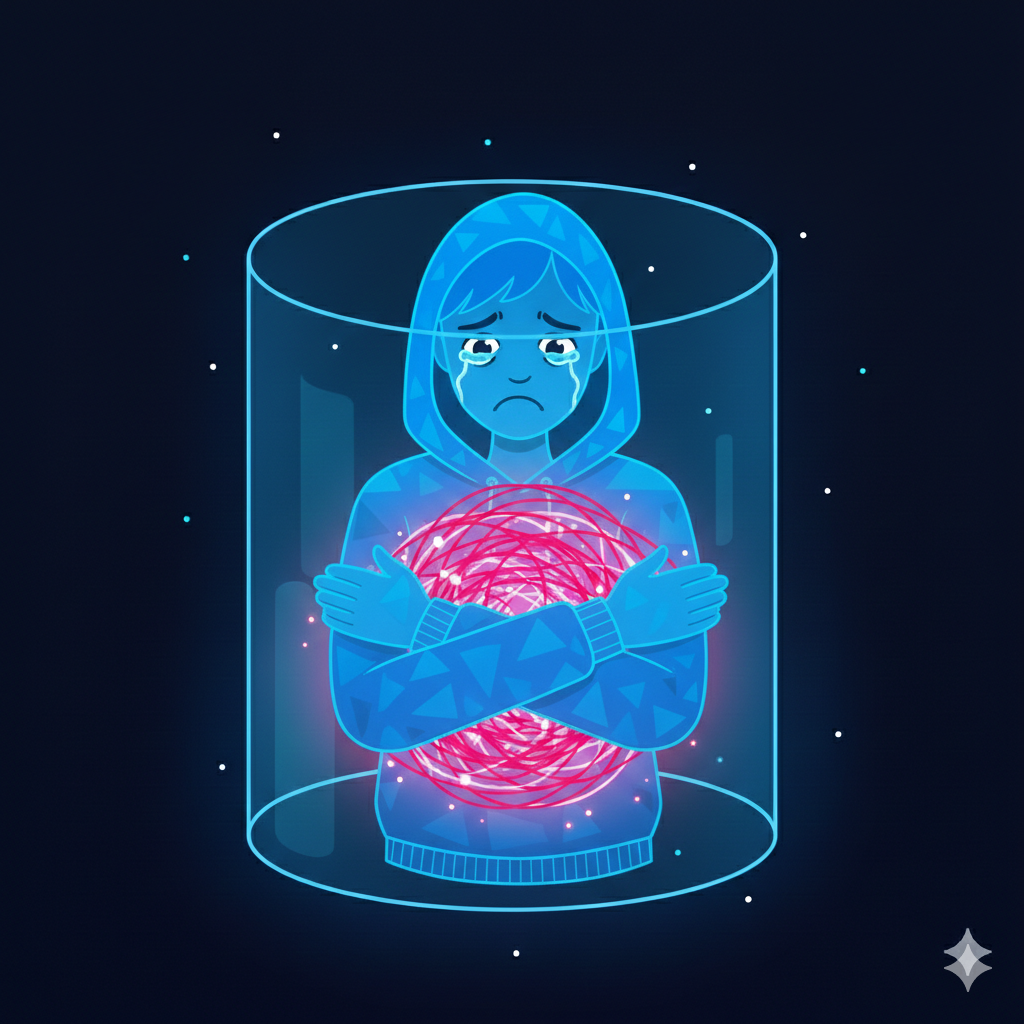
But inside, I was drowning. Every morning felt like lifting a weight that nobody else could see. Conversations with friends felt like performing a role in a play I had not auditioned for. And the worst part was not the pain itself — it was the complete inability to explain it to anyone.
If you have ever felt like this, you are not alone. Not even close. This article is for every Ethiopian student who has ever smiled through pain, laughed while hurting, or answered “I am fine” when they were anything but.
What “Invisible” Actually Means
When we say mental health struggles are invisible, we mean several things at once:
- There is no visible injury. You cannot put your anxiety in a cast. You cannot bandage your depression. Without physical evidence, others often assume nothing is wrong.
- Symptoms mimic ordinary behaviour. Tiredness, irritability, distraction — these are things everyone experiences. When they become chronic and debilitating, people still attribute them to laziness, attitude, or lack of discipline.
- Sufferers learn to mask. Through necessity, most students become experts at hiding their pain. We develop social personas that function independently from our internal reality.
- Cultural frameworks overlook it. In many Ethiopian households, the language for mental health simply does not exist in everyday conversation. Without words, problems remain unnamed and therefore invisible.
| What People See | What Is Really Happening |
|---|---|
| A quiet student | Someone paralysed by anxiety, terrified of saying the wrong thing |
| A lazy student | Someone whose depression makes getting out of bed feel impossible |
| An angry student | Someone overwhelmed who has run out of ways to cope |
| A perfect student | Someone driven by crippling fear of failure, not actual motivation |
| A social student | Someone performing happiness while collapsing inside |
The Ethiopian Silence
In Ethiopia, we have a complicated relationship with vulnerability. Our culture values strength, perseverance, and faith. These are beautiful values — but they can become dangerous when they leave no room for honest struggle.
Here is what the silence looks like in practice:
- “Pray about it.” Faith is important. But when prayer is the only response to genuine mental distress, it communicates that suffering is a spiritual failure rather than a health issue.
- “Be grateful — others have it worse.” Comparison dismisses pain instead of addressing it. A student can be grateful for their opportunities and still be genuinely struggling.
- “You just need to try harder.” This frames mental health as a willpower problem. If willpower were the cure for depression, nobody would be depressed.
- “We do not talk about things like that.” The explicit instruction to remain silent. This is how stigma gets passed from generation to generation.
“I spent three years convinced I was just weak. That if I tried harder, prayed more, studied longer, the heaviness would go away. It never did. It only got heavier. What I needed was not more effort. What I needed was someone to say: what you are feeling is real, and it is not your fault.”
The Cost of Staying Silent
When invisible struggles stay invisible, the consequences compound over time:
- Academic deterioration — not because students are not smart, but because their cognitive resources are consumed by managing emotional pain.
- Social withdrawal — masking is exhausting. Eventually, it is easier to avoid people entirely than to perform wellness.
- Physical symptoms — chronic headaches, stomach problems, insomnia, and fatigue that have no medical explanation because their origin is psychological.
- Loss of identity — students begin to lose sight of who they are underneath the masks they wear for others.
- Crisis — without intervention, invisible struggles can escalate to self-harm, substance use, or suicidal thinking.
Did You Know?
According to the World Health Organization, Ethiopia has one of the lowest ratios of mental health professionals in the world — approximately one psychiatrist per two million people. This makes peer support networks like ROVI not just helpful, but essential.
Making the Invisible Visible
The purpose of this article is not to be depressing. It is to be honest. Because honesty is the first step toward change. Here is how we begin making invisible struggles visible:
- Name what you are feeling. Even to yourself. Even in a journal nobody will read. Naming pain gives you power over it.
- Find one safe person. Not someone who will fix you. Someone who will listen. That might be a friend, a sibling, a teacher, or a peer counselor.
- Let go of the comparison trap. Your pain does not need to be the worst pain in the world to deserve attention.
- Read stories like this one. Every story that breaks the silence makes it easier for the next person to speak up.
- Join a community. ROVI exists precisely because no student should have to carry invisible weight alone.
A Message for Anyone Reading This
If you recognised yourself in this article, please know: your pain is real. It is valid. It is not a sign of weakness. And there are people who want to listen. You can reach ROVI at admin@rovi.com or through our contact page.
The struggles may be invisible, but the people carrying them are not. We see you. And we are building a world where you never have to carry that weight in silence again.

Comments